
Get Healthy!
- Posted February 25, 2026
Doomscrolling Affecting Many Americans' Sleep, Poll Finds
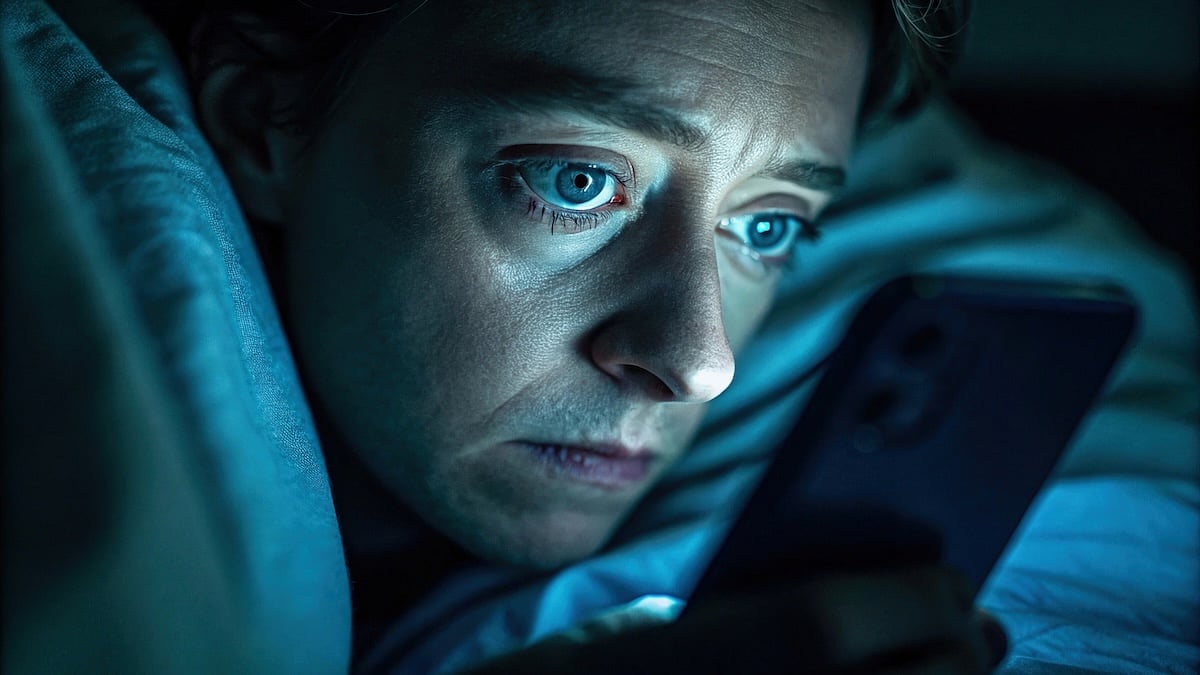
Doomscrolling is taking a toll on many Americans’ rest, a new survey says.
More than a third of U.S. adults (38%) say using their phone or tablet to read the news before bed is making their sleep slightly or significantly worse, according to the new poll from the American Academy of Sleep Medicine (AASM).
Only 14% of Americans say they never use their devices to read the news at bedtime, the survey found.
“Americans are turning to screens to unwind and relax before bed, even though it may prevent them from getting the rest they need,” Dr. James Rowley, past president of the academy, said in a news release
AASM recommends that adults get at least seven hours of sleep each night, and avoid blue light from handheld electronics for a half-hour to an hour before bedtime.
“Blue light, especially when combined with emotionally charged content, can trick our body clocks into a state of daytime-level alertness, disrupting the circadian rhythm and making it more difficult to achieve high-quality sleep,” Rowley said.
The survey found that about a quarter of adults (26%) prioritize screen time with their phone more highly than getting their recommended amount of sleep.
One-half of adults (50%) said they use a screen in bed every day, be it a TV, smartphone, computer, tablet or e-reader, the survey found. Another third (33%) use a screen most days or several days a week.
Doomscrolling can be particularly bad for sleep, given that it combines blue light exposure with news-driven anxiety, Rowley said.
“Internalizing topics that are stressful or worrisome before bed makes it difficult to have the deep, restorative sleep that is imperative to overall health,” he said. “Phone use before bed should be limited altogether, but it’s important to also be mindful of the type of content you view near bedtime.”
Younger adults 25-34 (43%), those 35-44 (39%), and middle-aged folks (38%) were most likely to report that doomscrolling affects their sleep, the survey found.
On the other hand, 31% of seniors said doomscrolling had no effect on their sleep, while just 23% said it makes their sleep worse.
The negative effects of bad sleep can add up, the AASM warns. One night might make it tough to focus and maintain a good attitude; weeks or months of poor sleep can increase risk of health problems like heart disease and diabetes.
The AASM recommends that adults:
Power down electronics 30 to 60 minutes before bed.
Leave phones in another room when going to bed, relying on a standard clock for a wake-up alarm.
Start a power-down routine like reading, journaling or taking a warm shower.
Turn off phone notifications to avoid disturbances while sleeping.
In all, 2,007 U.S. adults were surveyed June 5-13, 2025. The margin of error is plus or minus 2 percentage points.
More information
Harvard Medical School has more on sleep hygiene.
SOURCE: American Academy of Sleep Medicine, news release, Feb. 23, 2026


